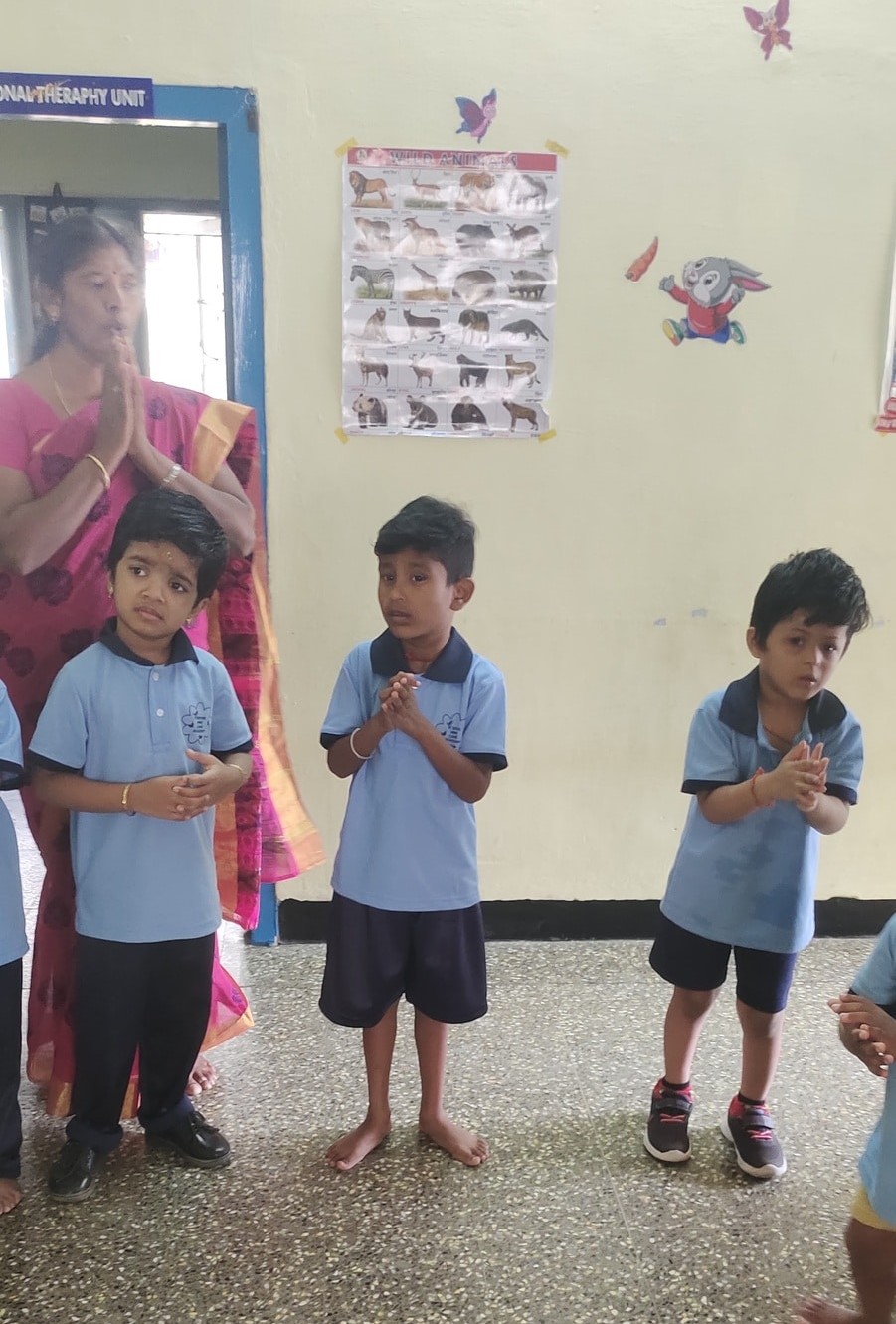
Speech Therapy
Our school is committed to staying at the forefront of speech therapy by incorporating the latest research and technology. This includes exploring innovative approaches such as teletherapy, using advanced AAC devices, and integrating interactive software that enhances language learning.
By prioritizing speech therapy, we aim to provide a supportive and effective learning environment that addresses the communication needs of our special kids, empowering them to achieve their full potential both academically and socially.Parents are crucial partners in the speech therapy process. We provide regular updates on their child’s progress and offer training sessions to equip parents with strategies to support communication development at home. This collaborative approach helps ensure consistency and reinforces the skills learned during therapy.
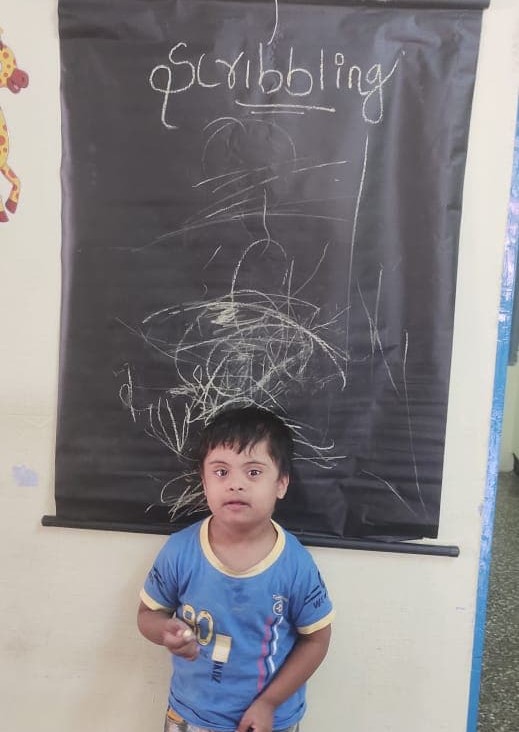
WHAT DOES WE OFFER TO YOUR CHILD?
Speech therapy plays a vital role in the development and success of children with special needs in our school. Through tailored programs and specialized interventions, our speech therapy services aim to address communication challenges and empower students to reach their full potential.
Enhancing Communication Skills: Speech therapy helps children improve their ability to communicate effectively, whether through speech, language, or alternative communication methods.
Building Confidence: By addressing communication difficulties, speech therapy boosts children's confidence and self-esteem, enabling them to participate more fully in social interactions and academic activities.
Supporting Academic Success: Improved communication skills contribute to better academic performance, as students can more effectively express their thoughts, understand instructions, and engage with classroom material.
"It’s not what you look at that matters, it’s what you see."
Speech therapy is a fundamental component of our holistic approach to supporting the diverse needs of special kids in our school.
Assessment: Each student undergoes a comprehensive speech and language assessment to identify their specific strengths and areas of need.
Individualized Treatment Plans: Based on assessment results, personalized treatment plans are developed to target specific communication goals and objectives.
Therapeutic Techniques: Speech therapists employ a variety of evidence-based techniques and strategies to address speech and language challenges, including articulation exercises, language drills, and social communication skills training.
Through individualized programs, collaborative efforts, and a commitment to ongoing progress monitoring, we empower students to overcome communication barriers and thrive in both academic and social contexts.
Articulation: Helping students produce speech sounds correctly to improve clarity and intelligibility.
Language Development: Supporting the development of vocabulary, grammar, comprehension, and expressive language skills.
Fluency: Assisting students who stutter or exhibit other fluency disorders in achieving smoother speech patterns.
Voice Disorders: Addressing issues related to pitch, volume, quality, and resonance of voice.
Pragmatic Skills: Teaching social communication skills such as turn-taking, topic maintenance, and nonverbal communication.