Cognitive Behavioral Therapy
Cognitive Behavioral Therapy (CBT) at our school is an integral part of our approach to supporting the mental health and emotional well-being of our students, particularly those with special needs. CBT is a structured, evidence-based therapy that helps students identify and change negative thought patterns and behaviors. By teaching practical strategies for managing emotions, improving problem-solving skills, and enhancing social interactions, CBT empowers students to cope with challenges more effectively.
Our tailored CBT programs are designed to meet the unique needs of each child, integrating therapeutic techniques into their daily routines and academic activities. Through individual and group sessions, as well as collaborative efforts with parents and teachers, we strive to create a supportive environment that promotes resilience, self-confidence, and overall well-being.

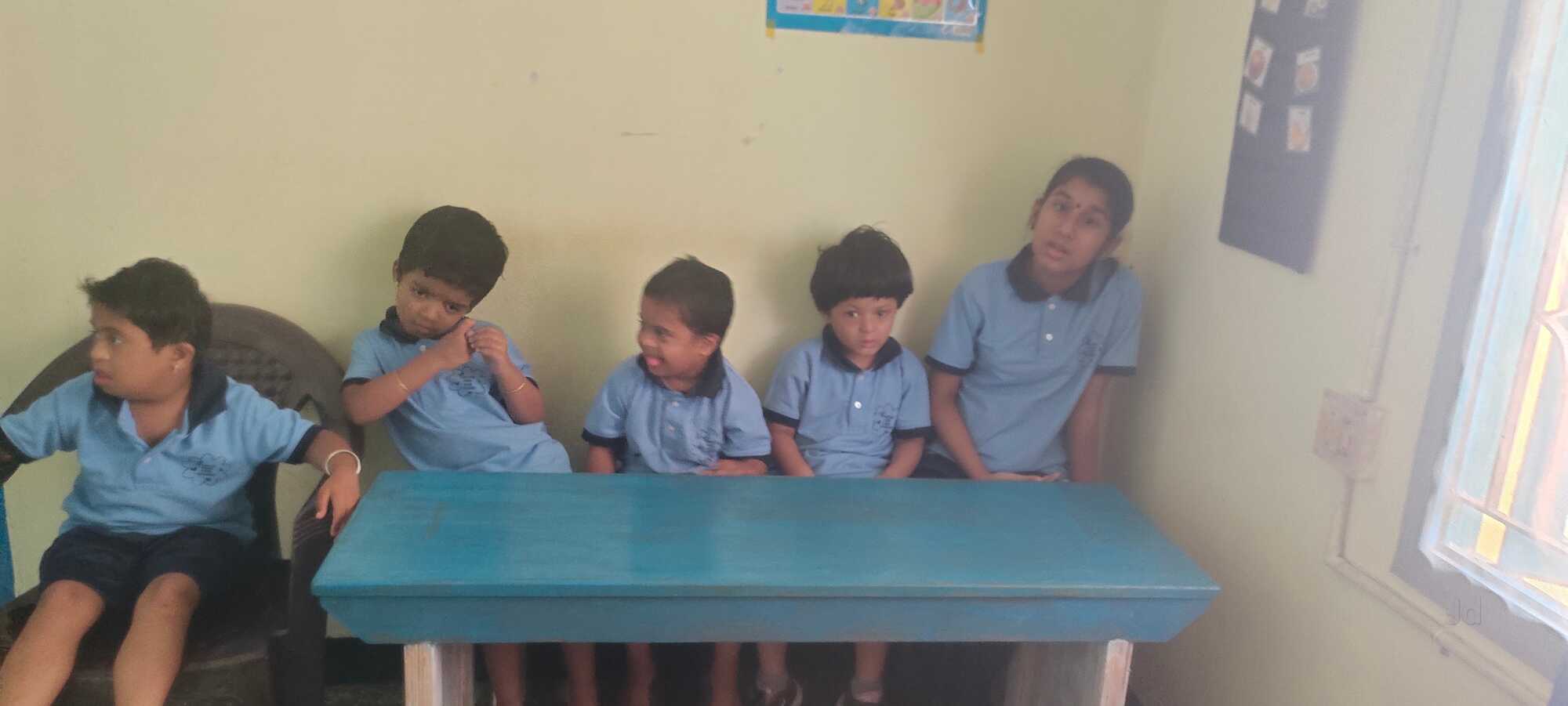
WHAT DOES WE OFFER TO YOUR CHILD?
Special kids often face unique challenges that require a tailored approach to therapy. In our school, we adapt CBT techniques to be accessible and effective for students with a range of needs, including those with autism spectrum disorder, ADHD, learning disabilities, and emotional disturbances. Our adaptations may include:
Visual Aids and Schedules: Many special kids benefit from visual supports that help clarify expectations and routines. Visual schedules, social stories, and pictorial representations of concepts are used to enhance understanding and engagement.
Simplified Language: We modify the language used in therapy to ensure it is comprehensible to each child. This might involve breaking down complex ideas into simple, concrete terms and using clear, direct instructions.
Behavioral Modeling: Role-playing and modeling appropriate behaviors are essential components of our CBT approach. These techniques allow children to observe and practice new skills in a safe and supportive environment.
Sensory Integration: For children with sensory processing issues, incorporating sensory-friendly materials and activities can help create a calming and focused therapeutic environment. This may include the use of fidget tools, weighted blankets, and quiet spaces.
"It’s not what you look at that matters, it’s what you see."
CBT is based on the concept that our thoughts, feelings, and behaviors are interconnected. By identifying and challenging negative thought patterns, individuals can develop healthier behaviors and coping strategies. This structured, goal-oriented therapy focuses on the present and emphasizes problem-solving and skill-building.
Cognitive Restructuring: This technique helps students identify and challenge negative or irrational thoughts. Through guided questioning and discussions, children learn to reframe their thoughts in a more positive and realistic light. For example, a child who feels they will never succeed in math might be guided to recognize past successes and set achievable goals.
Behavioral Activation: Encouraging children to engage in positive activities, even when they feel unmotivated, is crucial. This technique helps combat feelings of depression and increases engagement in enjoyable and rewarding activities. In our school, this might include structured play, art projects, or physical exercise.
Social Skills Training: Many special kids struggle with social interactions. CBT includes explicit teaching of social skills, such as making eye contact, taking turns in conversation, and recognizing social cues. These skills are practiced through role-playing and real-life interactions.
Emotion Regulation: Helping children understand and manage their emotions is a core component of CBT. Techniques such as deep breathing, progressive muscle relaxation, and mindfulness exercises are taught to help children calm themselves and respond appropriately to stress.
Cognitive Behavioral Therapy (CBT) is a highly effective therapeutic approach widely used to address various mental health challenges, including anxiety, depression, and behavioral issues. In our school, CBT is an integral part of our support system for special kids, tailored to meet their unique needs and help them thrive academically, socially, and emotionally.
Teachers integrate CBT principles into daily classroom activities, using consistent language and strategies to reinforce learning.
Therapists provide individualized or small group sessions to address specific needs and goals, coordinating closely with educational staff.
Parents are involved through regular communication and training sessions, ensuring that CBT strategies are reinforced at home.
Students actively participate in setting their own goals and tracking their progress, fostering a sense of ownership and motivation.

