Neuro Development Therapys
Our school is committed to advancing neurodevelopmental therapy services by staying abreast of current research, adopting evidence-based practices, and integrating innovative approaches and technologies into therapy delivery. We will continue to collaborate closely with students, families, and professionals to ensure that our neurodevelopmental therapy program evolves to meet the changing needs of our students and supports their overall development, independence, and quality of life.
Neurodevelopmental therapy at our school is a foundational pillar of our commitment to supporting the diverse needs of our students. This specialized therapy focuses on harnessing the brain's plasticity to optimize cognitive, motor, social, and emotional development. Our neurodevelopmental therapy program is designed to provide individualized interventions that address the unique challenges faced by each child, fostering growth and empowering them to reach their full potential.

WHAT DOES WE OFFER TO YOUR CHILD?
Each student begins their neurodevelopmental therapy journey with a detailed assessment conducted by our team of specialists. This assessment includes:
Neurological Evaluation: Identifying any specific neurological conditions or developmental delays.
Cognitive and Motor Skills Testing: Assessing areas such as attention, memory, coordination, and fine motor skills.
Behavioral Observations: Understanding how the student interacts with their environment and peers.
Based on the assessment, we develop a personalized therapy plan tailored to address the unique needs and goals of each child.
"The future belongs to those who believe in the beauty of their dreams.""It’s not what you look at that matters, it’s what you see."
Neurodevelopmental Therapy in our school for special kids is a critical component of our comprehensive approach to supporting the diverse needs of our students. This therapy focuses on enhancing the development of the brain and nervous system to improve cognitive, motor, social, and emotional functioning. By integrating neurodevelopmental principles into our educational framework, we aim to provide a holistic, supportive environment that maximizes each child’s potential.
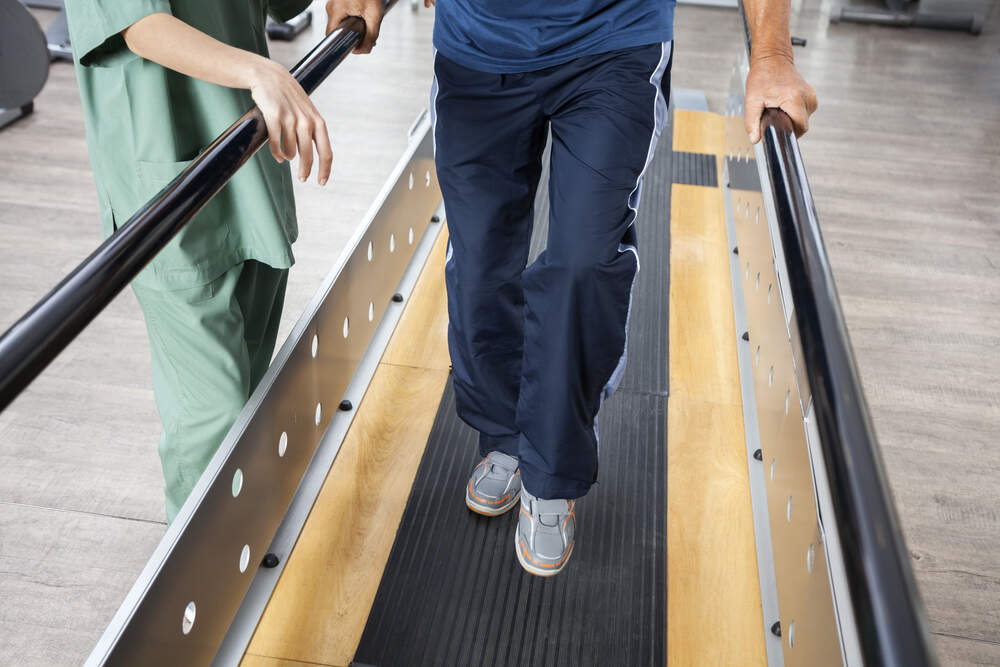
Gross Motor Skills: Activities that enhance large muscle groups, such as walking, jumping, and climbing. These activities help improve balance, coordination, and overall physical strength.
Fine Motor Skills: Exercises that focus on smaller muscle movements, such as writing, buttoning clothes, and using utensils. These tasks improve hand-eye coordination and dexterity.ss
Sensory Processing: Helping students better process and respond to sensory information (touch, sound, sight, etc.). Techniques might include using sensory bins, weighted blankets, and specialized equipment like swings and balance boards.
Sensory Diets: Personalized plans that include specific activities designed to provide the sensory input a child needs to stay focused and organized throughout the day.
Neurodevelopmental therapy is seamlessly integrated into the school day to ensure students receive consistent support across all environments. This integration includes:
Classroom Support: Teachers and therapists collaborate to adapt classroom activities and routines that support each student’s neurodevelopmental needs. This might involve modified seating arrangements, tailored learning materials, and the use of assistive technology.
Therapy Sessions: Regular, scheduled sessions with trained therapists focus on specific goals outlined in each student’s individualized plan. These sessions can be one-on-one or in small groups, depending on the student’s needs.
School-Wide Programs: Activities such as sensory-friendly assemblies, mindfulness sessions, and movement breaks are incorporated into the school’s daily schedule to support all students.